1 Day 1 Night
Educational Village Homestay
IDR 250.000
17 July 2026
Gabugan Tourism Village
113 times
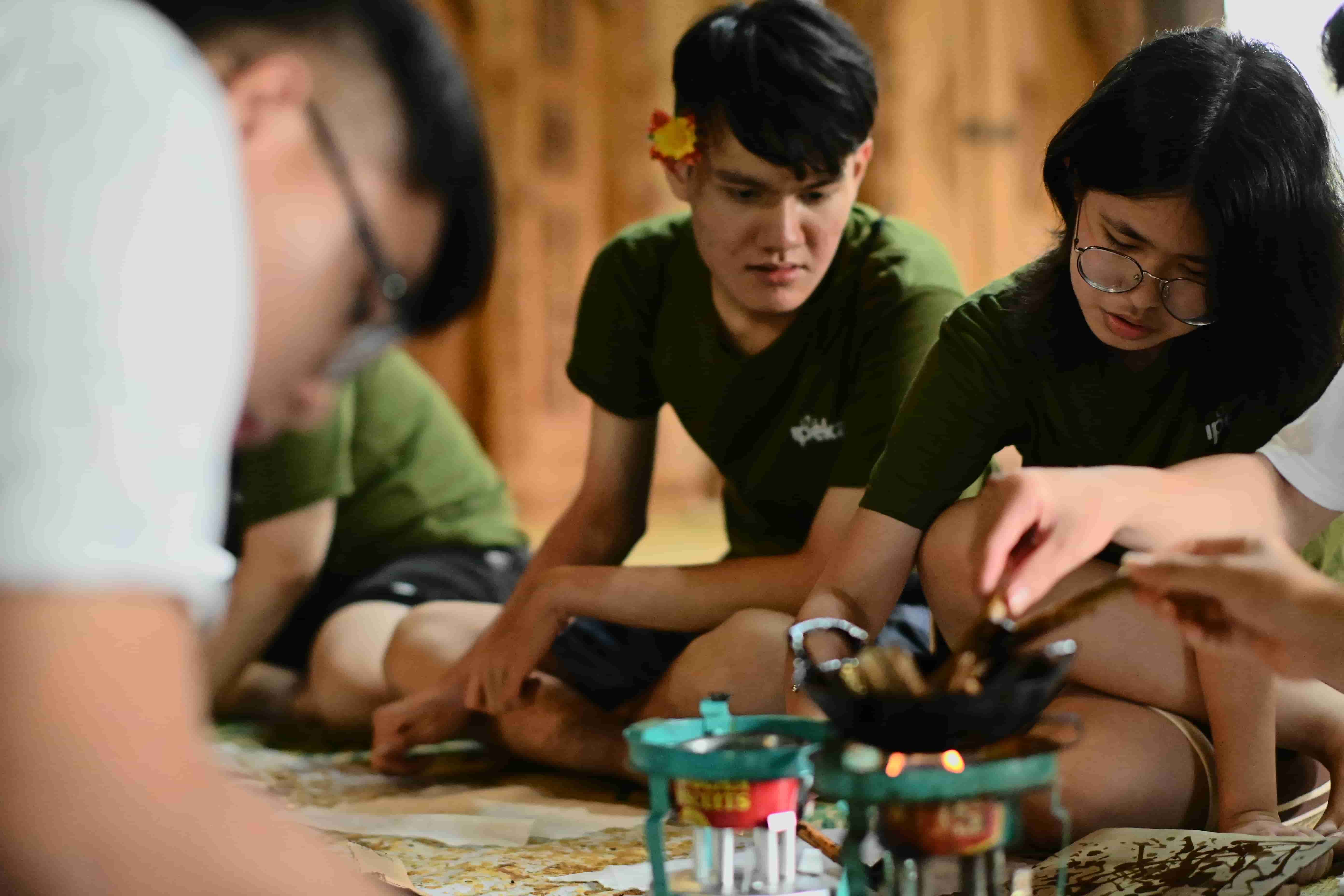
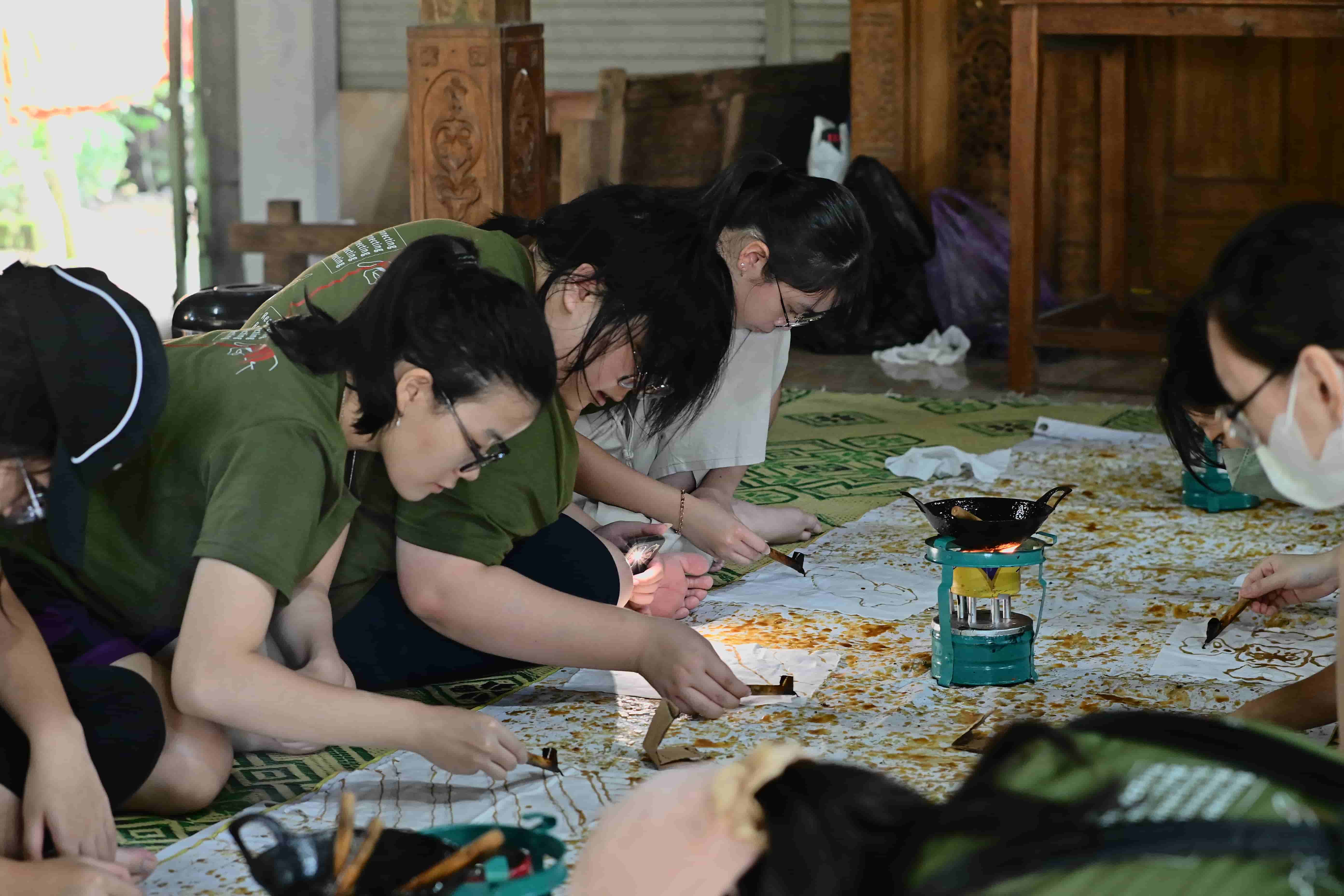
Gabugan Tourism Village, located in Donokerto Village, Turi District, Sleman Regency, Special Region of Yogyakarta, is one of Indonesia's growing rural tourism destinations. Situated on the southern slopes of Mount Merapi, the village embraces the concept of Community-Based Tourism (CBT) by integrating cultural preservation, environmental conservation, and community empowerment into its tourism development.
Between 2023 and 2025, Gabugan Tourism Village has demonstrated remarkable progress across multiple sectors, including tourism revenue, visitor arrivals, community participation, local economic development, environmental sustainability, and human resource capacity building. These achievements reflect the village's commitment to creating a sustainable tourism ecosystem that benefits both residents and visitors.
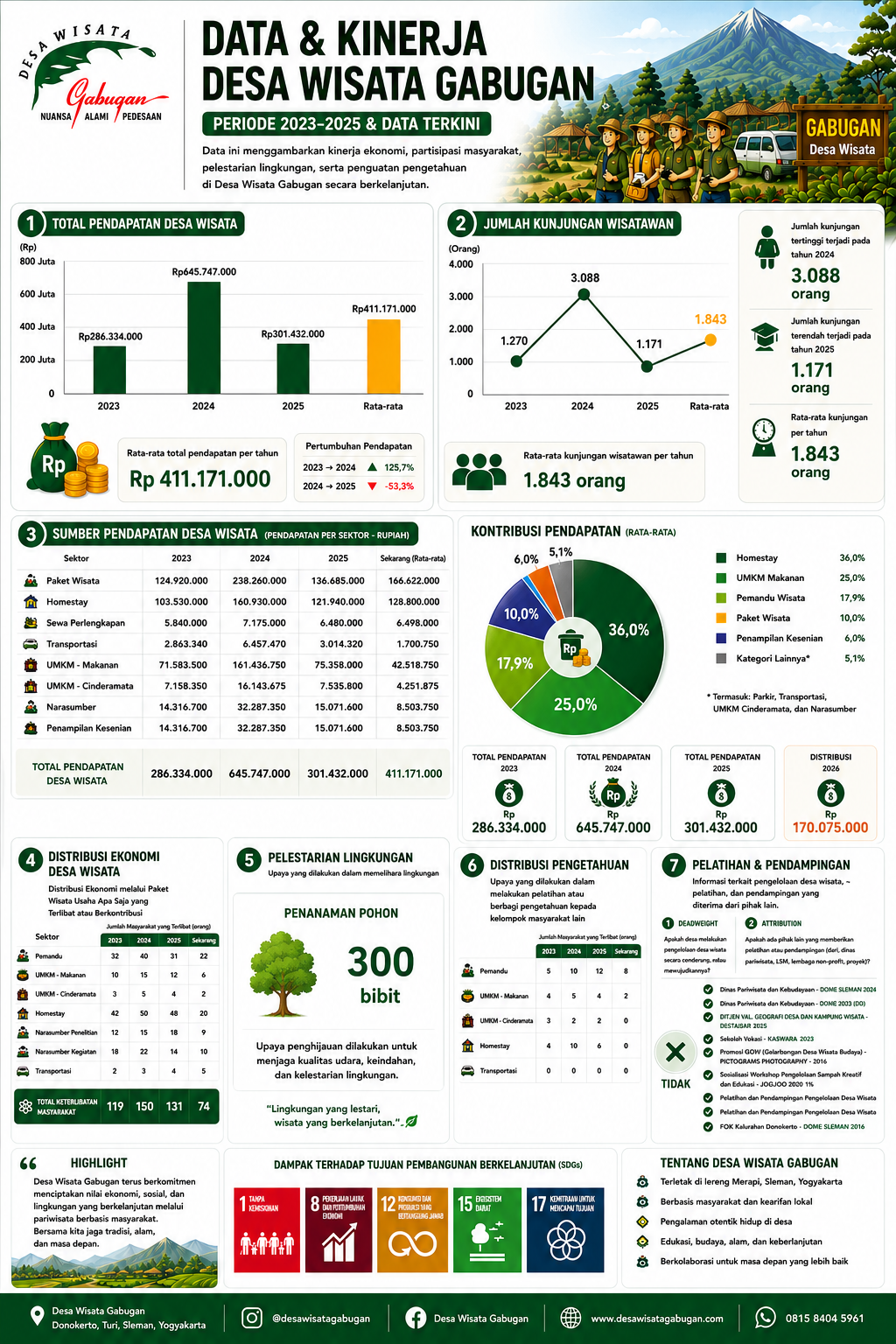
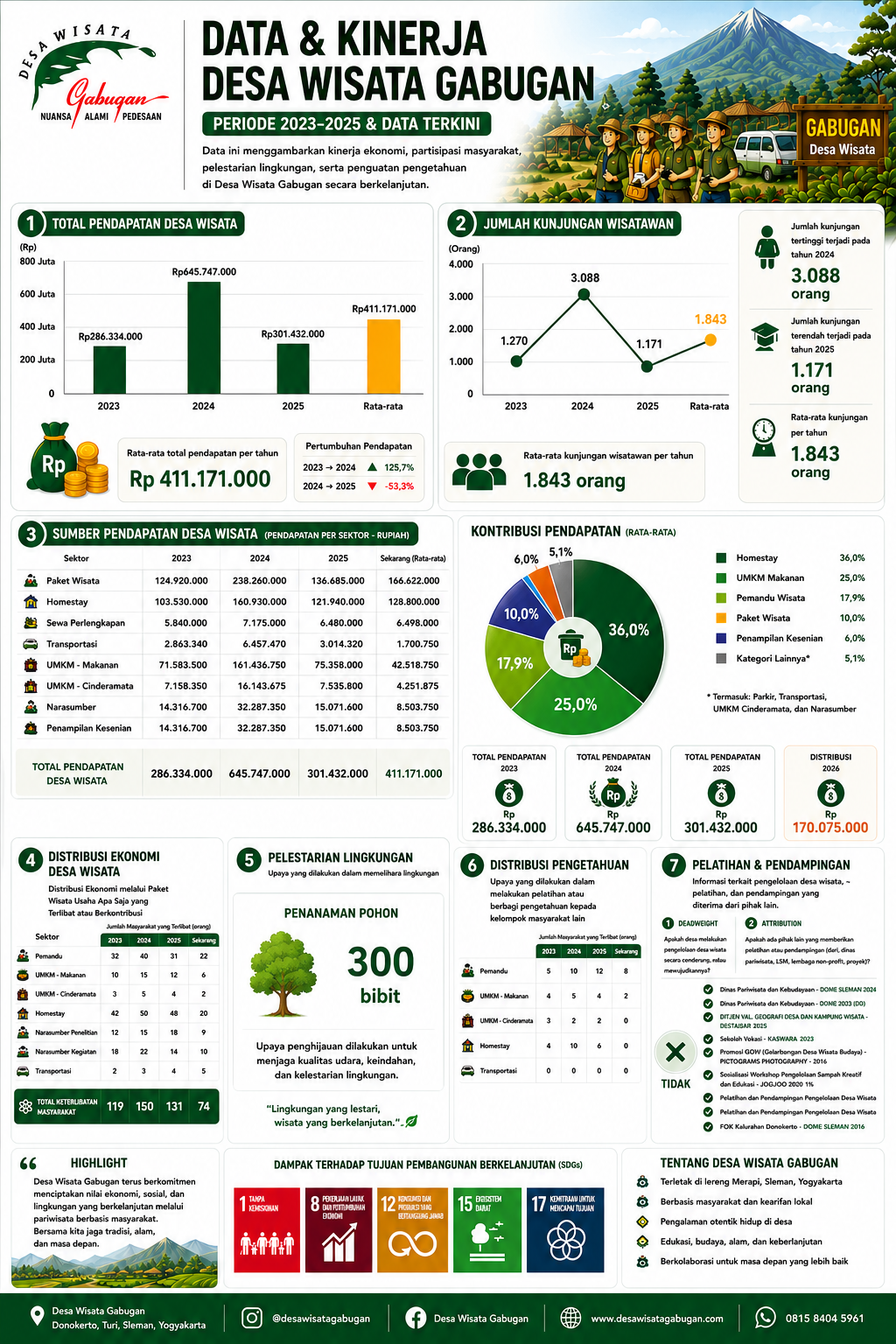
The tourism sector has become one of the primary economic drivers of Gabugan Tourism Village. In 2023, the village generated a total tourism revenue of IDR 286,334,000. This figure increased significantly in 2024, reaching IDR 645,747,000, driven by higher tourist arrivals, expanded tourism packages, and stronger community participation.
In 2025, tourism revenue amounted to IDR 301,432,000. Although lower than the previous year, the variation reflects changes in tourism demand and market conditions. Overall, the village recorded an average annual tourism revenue of IDR 411,171,000, demonstrating the long-term economic contribution of tourism to the local community.
Visitor numbers have shown encouraging growth throughout the reporting period. Gabugan Tourism Village welcomed 1,270 visitors in 2023, followed by a substantial increase to 3,088 visitors in 2024, marking the highest annual attendance during the three-year period.
In 2025, the village received 1,171 visitors, resulting in an average of 1,843 visitors per year. These visitors include students, educational institutions, government agencies, community organizations, and family groups seeking authentic rural, cultural, and educational tourism experiences.
Tourism income in Gabugan Tourism Village is generated through a diversified range of community-based businesses, including:
This diversified economic structure ensures that tourism benefits are distributed across different sectors of the local community, strengthening economic resilience and encouraging entrepreneurship.
Based on the average contribution during the 2023–2025 period, homestay services contributed the largest share of tourism revenue, accounting for approximately 36% of the total income.
The remaining contributions are distributed as follows:
These figures demonstrate that Gabugan Tourism Village has successfully developed a well-balanced tourism economy that benefits multiple community groups.
Community participation is the foundation of tourism development in Gabugan Tourism Village. Local residents actively contribute in various roles, including:
This collaborative approach ensures that tourism income is distributed fairly among community members while strengthening local livelihoods and reducing economic disparities.
Environmental sustainability is one of the core principles of Gabugan Tourism Village. As a tourism destination located in the Mount Merapi region, preserving natural resources is essential for maintaining the village's attractiveness and ecological balance.
Several environmental achievements recorded during the reporting period include:
These initiatives demonstrate the village's commitment to responsible tourism by promoting waste management, efficient water use, environmental education, and ecosystem restoration.
Beyond tourism services, Gabugan Tourism Village serves as a center for community learning and knowledge exchange. Various training programs and mentoring activities have been organized to improve the skills and competencies of local residents.
Knowledge-sharing initiatives target several community groups, including:
These programs help improve service quality, strengthen entrepreneurship, and enhance the overall competitiveness of the tourism village.
Human resource development remains one of Gabugan Tourism Village's strategic priorities. Various capacity-building programs have been conducted, including:
These training programs equip community members with the knowledge and practical skills needed to provide high-quality tourism experiences while adapting to evolving industry trends.
Gabugan Tourism Village actively supports the implementation of the United Nations Sustainable Development Goals (SDGs) through its tourism development initiatives. Its programs contribute directly to several SDGs, including:
By integrating economic development, environmental conservation, cultural preservation, and community empowerment, the village demonstrates how rural tourism can contribute to sustainable development at the local level.
The 2023–2025 Performance Report of Gabugan Tourism Village highlights the positive impact of community-based tourism on local economic growth, social participation, environmental conservation, and cultural preservation. Continuous improvements in tourism revenue, visitor numbers, community involvement, environmental initiatives, and capacity-building programs illustrate the village's commitment to sustainable and inclusive development.
Looking ahead, Gabugan Tourism Village remains dedicated to enhancing tourism quality, strengthening partnerships, preserving its natural and cultural heritage, and delivering authentic, educational, and sustainable tourism experiences. Through collaboration, innovation, and community participation, Gabugan Tourism Village continues to position itself as a model for sustainable rural tourism in Indonesia.
Gabugan Tourism Village is a community-based tourism village that offers a natural rural atmosphere. Established in 2004, Gabugan Tourism Village is an independ
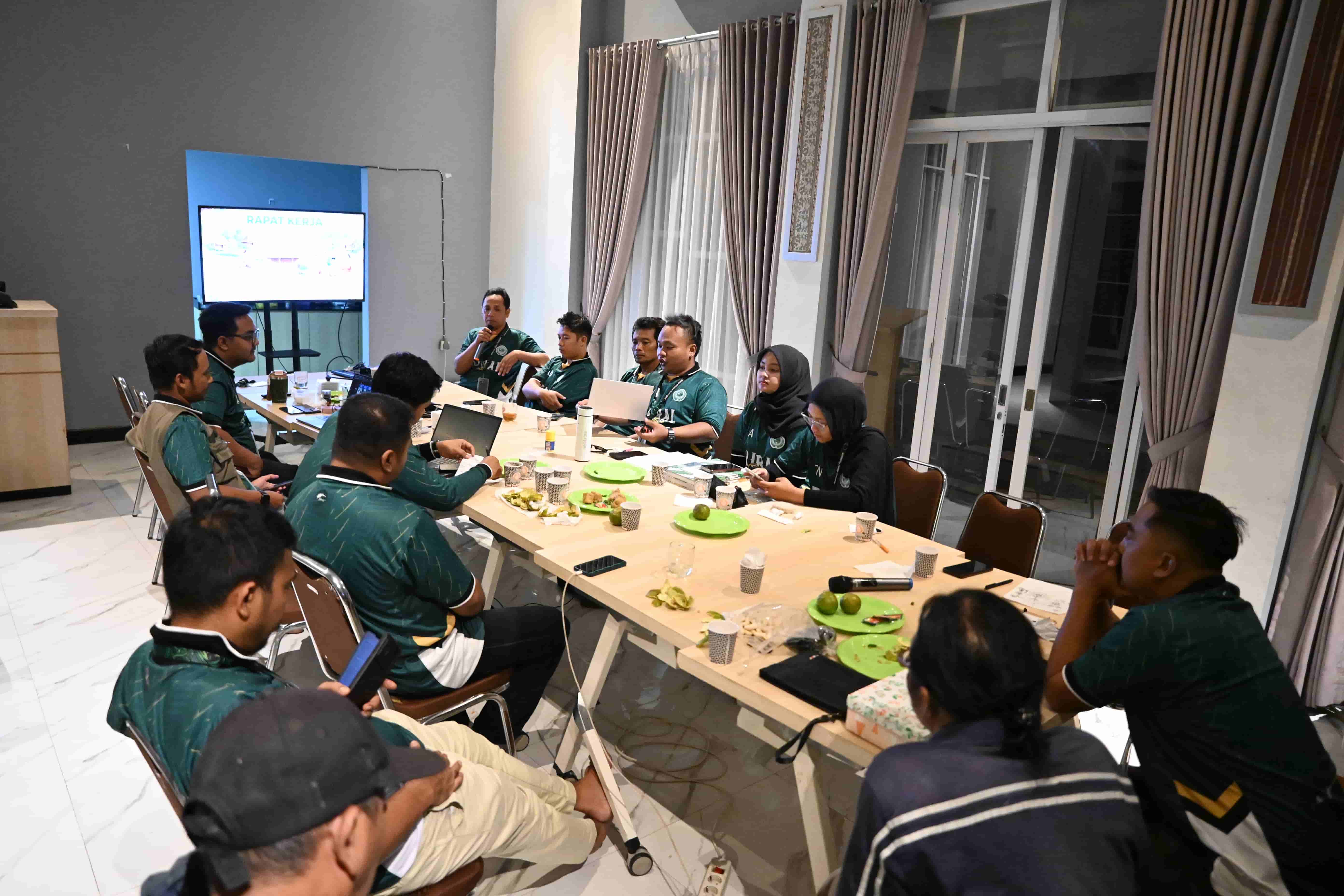
Gabugan Tourism Village recently held its Annual Work Meeting as a strategic step to determine organizational direction and tourism development programs for 202
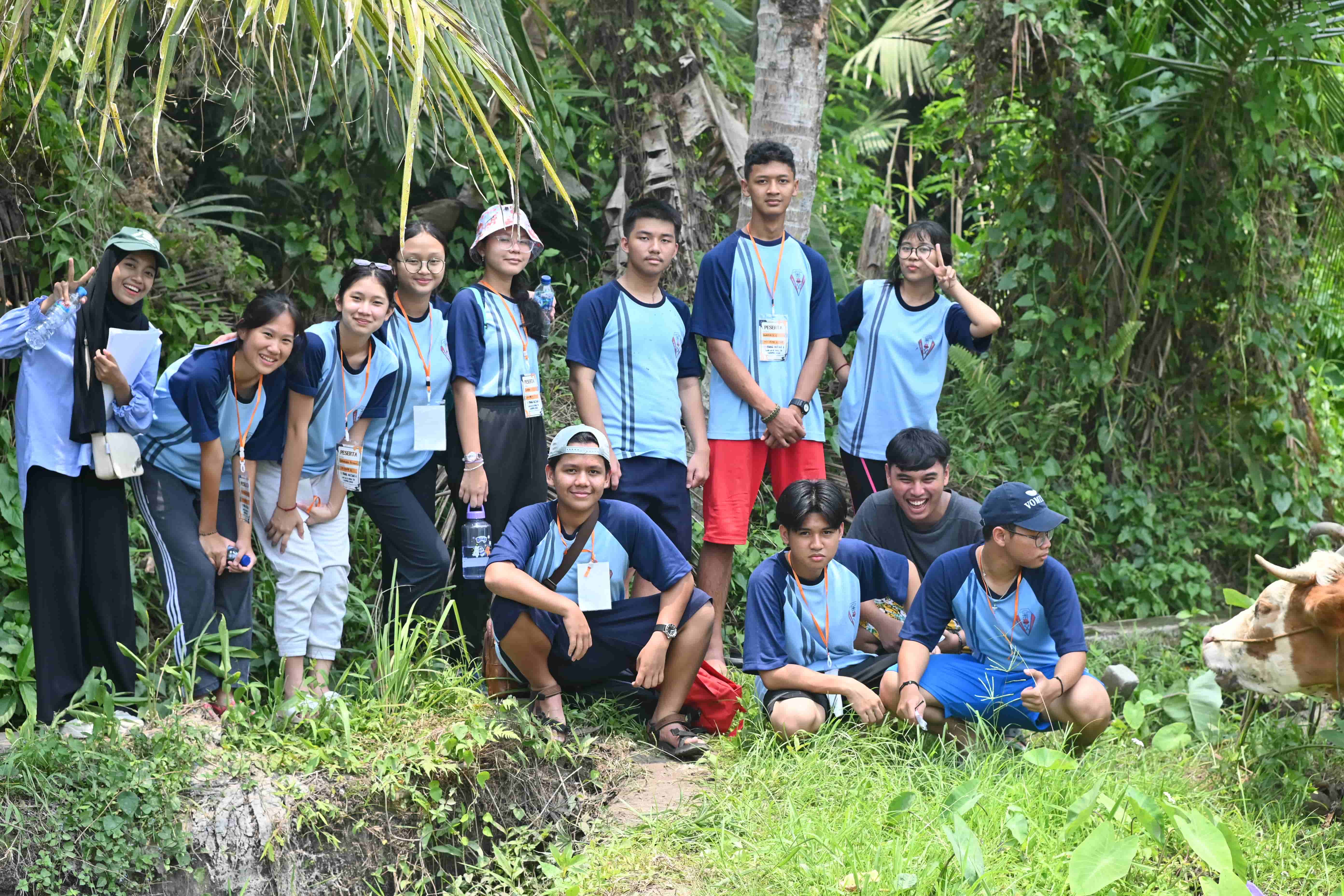
In today’s rapidly growing urban and digital world, experiencing life in a rural village has become increasingly valuable. Gabugan Tourism Village offers visito
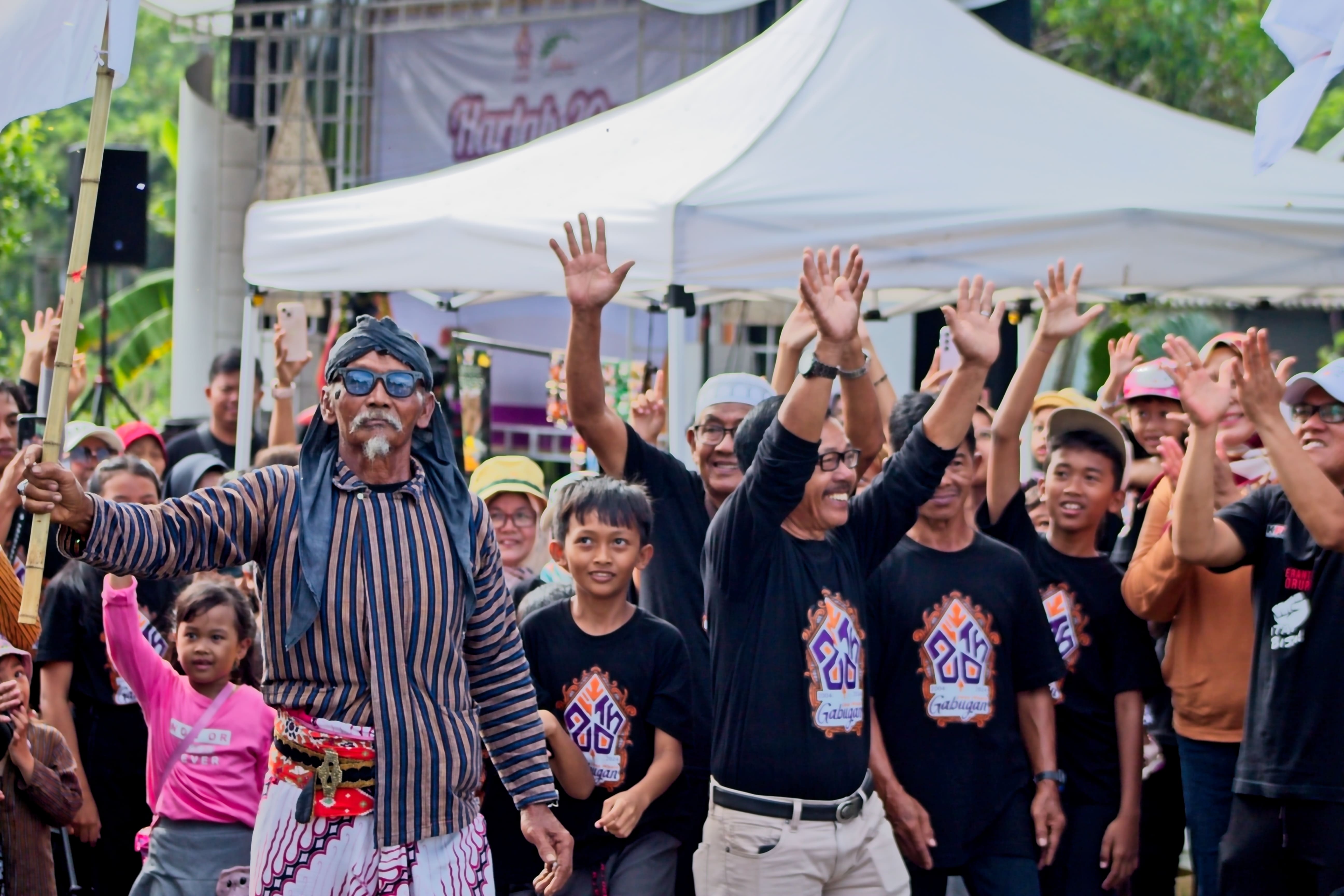
On December 18, 2024, Gabugan Tourism Village celebrated its 20th anniversary by organizing a series of community-based activities involving local residents. Th

Asisten AI Desa Wisata Gabugan